How Long Driveway Sealer Takes to Dry?
Sealing your driveway is an essential task to maintain its appearance and extend its lifespan. Whether your driveway is made of asphalt or concrete, applying a sealant offers protection from weather elements like rain and sunlight, as well as cracks and daily wear from vehicles. A common question homeowners ask is: how long does it take for driveway sealer to dry? In this blog, we’ll explore the drying process in detail, discuss the factors that influence it, and share the best practices to ensure a successful sealing job. We’ll also cover preparation steps, application techniques, and care tips to keep your driveway looking great for years.
Understanding exactly how long does driveway sealer take to dry is crucial before you open up your first bucket. Many homeowners find themselves wondering, how long does it take for driveway sealer to dry under normal conditions, or specifically, how long for driveway sealer to dry if the weather starts to turn? If your property features a blacktop surface, you might also ask how long does it take for asphalt sealer to dry compared to standard concrete treatments, and exactly how long does it take driveway sealer to dry before it can handle heavy vehicle traffic. While looking up driveway sealer how long to dry will give you a baseline, you always have to factor in your local climate. Knowing how long does asphalt sealer take to dry in humid or cooler weather—and keeping a close eye on the forecast to determine how long does driveway sealer need to dry before rain hits—will ensure your hard work doesn't wash away and guarantees a flawless, long-lasting finish.
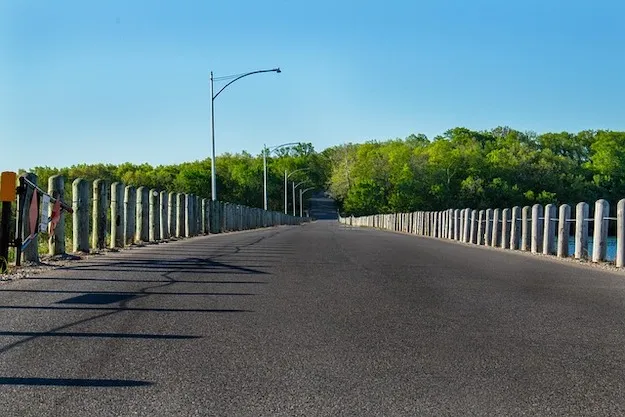
Why Sealing Your Driveway Matters
Your driveway faces constant exposure to harsh conditions—think rain pounding down, snow piling up, sunlight fading the surface, and cars rolling over it day after day. Over the years, this wear and tear can lead to damage such as cracks, discoloration, and depressions in the surface. Sealing your driveway creates a protective barrier that helps you avoid expensive repairs and keeps the surface looking clean and fresh. For asphalt driveways, sealing every few years is especially important to prevent water from seeping in and UV rays from causing damage. Concrete driveways benefit from sealing too, as it boosts durability and helps resist stains from oil spills or tire marks.
Without regular sealing, a driveway can break down faster, forcing you into costly paving projects sooner than expected. Sealing isn’t just about looks—it’s about preserving the structure of your driveway and saving money over time. Think of it as a shield that keeps the elements at bay, giving your driveway a fighting chance against the seasons. For instance, a driveway left unsealed in a rainy region might develop cracks within a couple of years, while a sealed one could last a decade or more with proper care.
Sealing also adds a layer of convenience. A well-sealed driveway is easier to clean—dirt and grime don’t stick as stubbornly, and you’re less likely to deal with deep-set stains. It’s a small investment of time that pays off in both practicality and peace of mind.
Once you decide to move forward, the immediate logistical question becomes: how long does sealer take to dry so you can get back to your normal routine? Finding clear answers on driveway sealing how long to dry can vary widely by product, leaving homeowners unsure about exactly how long for sealed driveway to dry completely. When calculating how long driveway sealer to dry timelines will impact your daily schedule, it helps to understand the specific requirements for your product, whether you are wondering about a standard driveway seal how long to dry window or a thicker seal coat driveway how long to dry application. Many people ask how long does it take sealer to dry for foot traffic, wondering how long to walk on driveway after sealing safely without leaving marks, or how long to walk on sealed driveway paths if they have children or pets. Furthermore, dark surfaces bring their own timelines; knowing how long does black top sealer take to dry or how long for driveway sealcoat to dry is essential for deep-penetrating formulas. If you've recently had a fresh surface paved, you'll also need to know how long after new driveway to seal so the fresh asphalt can cure first. Ultimately, tracking how long for driveway sealant to dry before it can support heavy vehicles—meaning how long before i can drive on sealed driveway surfaces—and knowing exactly how long for driveway sealer to dry before rain sets in will protect your investment from premature damage.
How Long Does Driveway Sealer Take to Dry?
Generally, driveway sealer takes between 4 and 48 hours to dry, depending on variables like the type of sealant, weather conditions, and how it’s applied. Water-based sealants tend to dry faster, often in 4 to 8 hours, which makes them a go-to for homeowners who want a quick sealing job done. Oil-based sealants, on the other hand, might take 24 to 48 hours to dry fully, penetrating deeper into asphalt or concrete for a longer-lasting seal. However, drying time isn’t the same as curing time—full curing, where the sealant hardens completely, can take up to 72 hours or even longer in some cases.
Before you step foot on your driveway or park your car, wait at least 24 hours to ensure the sealer has set. Rushing this can result in uneven drying, footprints, or damage to the surface, undoing your hard work. For the best outcome, give your driveway the time it needs to dry properly after sealing—patience pays off here.
Let’s say you seal your driveway on a sunny afternoon. With ideal conditions, a water-based sealant might be ready for light foot traffic by evening. But if humidity creeps up or rain threatens, that timeline stretches, so always plan ahead. In cooler climates, drying could take longer, especially if the temperature dips below the recommended range. Checking the sealant’s instructions can give you a clearer idea of what to expect based on your specific product and environment.
Factors Affecting Drying Time
Several factors play a role in how long driveway sealing takes to finish drying:
- Weather: High humidity or rain can slow the process considerably. The best days for sealing are warm and dry, with temperatures between 50°F and 85°F.
- Materials: Water-based sealants dry quicker than oil-based ones because of their makeup.
- Application: Thicker coats take longer to dry—opt for a thin, even layer for the best speed.
- Surface: Porous asphalt or concrete absorbs sealant differently, which can tweak drying time.
Before sealing your driveway, check the weather forecast to avoid surprises like rain or a cold snap. Timing your sealing job right can make all the difference in how fast and well the sealer dries. For example, sealing during a humid summer week might leave you waiting an extra day, while a crisp fall day could speed things up.
Preparing Your Driveway Before Sealing
Preparation is everything before you apply sealant to your driveway—it’s the key to a seal that lasts. Start by cleaning the driveway thoroughly. Remove dirt, leaves, twigs, and oil stains with a pressure washer or a sturdy scrub brush. For stubborn grease spots, a degreaser can work wonders. After cleaning, tackle any cracks or depressions with a filler designed for asphalt or concrete. This step is vital for residential and commercial driveways alike to prevent damage from worsening. Give those repairs at least 24 hours to cure before sealing begins.
Wait until the driveway is bone-dry after cleaning. Applying sealant to a wet surface traps moisture, which can cause bubbling or peeling and ruin the job. For asphalt paving, double-check that no loose materials are left behind before you start sealing. A clean driveway sets the stage for a smooth, effective application.
At the beginning of this process, take your time. Rushing prep work can weaken the sealant’s grip on the surface. Walk your driveway, inspect every corner, and ensure it’s ready before you pour that first bucket of sealant. A little effort here saves headaches later. For instance, missing a small crack could let water sneak in later, turning a minor flaw into a major repair down the line.
Consider the season too. Spring or fall are often ideal for sealing, as summer heat can make sealant sticky and winter cold can slow drying. Planning your prep around the weather ensures the best start.
The Sealing Process
Sealing a driveway is a manageable job if done with care. Here’s how to approach it:
- Remove all vehicles and block off the area so no one wanders through.
- Apply sealant using a squeegee or sprayer to get an even application across the driveway.
- Ensure every part of the driveway is covered—no missed spots allowed.
- Let it dry for the time recommended on the product label, usually a few hours to a couple of days.
For commercial properties or sprawling driveways, hiring a professional might be the best way to ensure quality and save time. A well-done sealing job boosts your driveway’s look and strength, whether it’s at home or a business. At the beginning, try a small test patch on your driveway to see how the sealant behaves—adjust your technique before hitting the whole area.
Imagine you’re sealing a driveway for the first time. You might start at one end, working your way across, watching the sealant settle into the surface. It’s satisfying to see the transformation, but only if you’ve prepped well and picked the right day. Some folks prefer a sprayer for speed, while others use a squeegee for control—either way, consistency is what counts.
Common Mistakes to Avoid
Even with good intentions, mistakes can derail your sealing job. One common error is sealing too soon after rain or cleaning, leaving the driveway damp. This traps moisture under the sealant, leading to blisters or a weak seal. Another pitfall is applying too much sealant at once—thick layers don’t dry evenly and can crack later. Stick to thin coats and spread them carefully across the driveway.
Skipping repairs is another misstep. Ignoring cracks or depressions before sealing might seem like a time-saver, but it lets damage grow unchecked. Also, don’t seal in bad weather—rain or high winds can ruin a fresh coat before it sets. Avoid these errors by planning ahead, reading the sealant label, and giving your driveway the attention it deserves at the beginning of the process.
How to Care for Your Driveway After Sealing
Once your driveway is sealed, care is what keeps its lifespan long. Avoid driving on it for 24 to 48 hours to let the sealer settle in. Keep heavy items like trailers or machinery off the area for the first few days to prevent marks. If rain is coming, delay sealing to avoid water damage washing away your efforts. Regular care—sweeping away debris, rinsing off spills—keeps the sealant working for years.
For commercial driveways, set up a maintenance plan. Check the surface monthly for wear, especially in high-traffic zones. Consistent care after sealing ensures your driveway stays both useful and good-looking, no matter how busy it gets.
Think of your newly sealed driveway as a fresh canvas. Every bit of care you give it—like brushing off leaves or hosing down dirt—adds to its life. It’s simple stuff that pays off down the road. Over time, this routine becomes second nature, keeping your driveway in prime shape without much hassle.
Managing your expectations regarding how long after driveway sealing you can return to normal routine is an essential part of post-application care. If you are tracking driveway sealcoating how long to dry periods, remember that humidity levels heavily influence how long for seal coat to dry completely. Homeowners often ask how long to seal driveway surfaces from start to finish, particularly when trying to calculate how long after driveway sealing rain will no longer pose a threat to the finish. The most critical question is usually: how long after sealing driveway can i drive on it safely? While you might want to rush back onto the pavement, knowing how long to wait after sealing driveway spaces prevents tire marks and peeling. Depending on your project, you might wonder how long does it take for driveway sealant to dry compared to standard industrial applications, or how long does sealcoating take to dry when applied by professionals. Ultimately, whether you are monitoring how long for sealer to dry on a hot summer afternoon, checking how long does it take for seal coat to dry under overcast skies, or evaluating how long does it take for sealer to dry on concrete, patience is key. The exact timeline for how long does driveway sealant take to dry or asking how long does driveway sealant take to dry? will depend heavily on the thickness of the coat. Understanding how long does it take for driveway sealcoating to dry versus how long does sealcoat take to dry will keep your surface looking pristine, especially when keeping track of how long does driveway sealer take to dry before rain interrupts the curing cycle.
Cost of Sealing a Driveway
The cost of sealing a driveway varies based on a few things. DIY sealing with sealant from a hardware store can cost $50 to $200, depending on materials and the driveway’s area. Professional services run between $1 and $3 per square foot, bringing expertise to the table. If you’re looking at paving or replacing the whole driveway, expect $5 to $10 per square foot. Commercial paving jobs often cost more because of their size and demands.
Weighing cost against quality matters. DIY might save cash upfront, but a professional job could last longer. Either way, sealing is far cheaper than paving a new driveway from scratch, making it a smart choice for upkeep. Budgeting wisely here keeps your driveway protected without breaking the bank.
When budgeting for maintenance, factoring in the timeline for how long for asphalt sealer to dry is just as vital as calculating material expenses. Many property owners ask how long does it take asphalt sealer to dry when analyzing DIY costs versus professional labor, as down-time can disrupt access. The variable of how long does seal coat take to dry can impact commercial operations, where knowing exactly how long does it take for a driveway to dry translates directly to business downtime. If you choose a budget-friendly DIY route, you must research how long does it take seal coat to dry and how long does a driveway sealer take to dry to avoid ruining the job by stepping on it too early. Furthermore, industrial-grade products alter the math; knowing how long does pavement sealer take to dry or how long does driveway seal take to dry helps you secure the perimeter effectively. Whether you are wondering how long does it take driveway sealant to dry or how long does asphalt sealant take to dry, a proper budget should always account for weather windows. Approaching the project by understanding that sealing driveway how long to dry variables rely heavily on sunlight will help you time your expenses, giving you a clear picture of how long for driveway sealing to dry. Finally, knowing how long does asphalt take to dry for brand new surfaces compared to how long for driveway seal to dry or how long does it take driveway sealcoating to dry for routine maintenance guarantees that your investment pays off over the long haul.
When to Repave Instead of Seal
If your driveway has big cracks, deep depressions, or heavy damage, sealing might not cut it. Paving a new layer of asphalt or concrete could be the answer. It’s a bigger job, but it can give your driveway another 15 to 20 years of life. Before you decide, get a professional to check it out—they’ll tell you if sealing or paving is the best fix for your driveway’s woes.
For driveways that are falling apart, paving starts fresh, while sealing handles lighter wear. Knowing when to choose one over the other helps you avoid wasting time and money on a temporary solution. A driveway with minor issues might thrive with sealing, but one that’s crumbling needs the full reset paving provides.
Deciding between a complete structural overhaul or a surface treatment requires checking an asphalt sealer how long to dry timeline against the weeks required for heavy machinery to complete a repaving project. If you are wondering how long does a driveway take to dry after a simple seal job, it is usually a matter of days rather than weeks. Homeowners frequently ask how long does sealcoat take to dry? or how long does it take sealcoating to dry when trying to see if a quick fix will save them from a full reconstruction. If the foundation is stable, knowing how long does asphalt seal coat take to dry can help you schedule a weekend project instead of a month-long paving disruption. When looking at fresh asphalt how long to dry periods for thick patches, you will find it differs greatly from how long does driveway sealing take to dry for standard cosmetic maintenance. For minor repairs, tracking how long does it take sealcoat to dry and how long does a sealed driveway take to dry ensures you don't compromise the new layer. It is also critical to understand how long does asphalt sealer need to dry before rain to avoid a washed-out mess, making asphalt sealing how long to dry knowledge your best defense against bad weather. By researching driveway sealer how long to dry before rain storms arrive, you can accurately gauge how long does a driveway take to dry after sealing and figure out exactly how to dry driveway sealer efficiently using warm, clear weather windows.
Choosing the Best Sealant
Picking the right sealant is critical for a solid seal. Look for options with UV protection, water resistance, and easy application. Browse reviews and check our portfolio of top brands we’ve used successfully. Whether it’s a residential or commercial driveway, the best sealant balances cost and performance, tailored to asphalt or concrete needs.
At the beginning of your search, compare materials carefully. A sealant that suits your driveway’s surface ensures protection that lasts, keeping cracks and damage at bay for years. Don’t rush this choice—researching upfront leads to a driveway that stands up to whatever comes its way.
Your choice of formulation directly dictates weather vulnerability, such as how long does paver sealer need to dry before rain or how long does it take for paver sealer to dry if you are working on an interlocking brick border. For traditional surfaces, knowing how it takes for asphalt sealant to dry or calculating how many days for driveway sealer to dry completely will guide your product selection. If you choose to seal driveway how long to dry depends entirely on whether you buy premium fast-curing mixes or budget options, which changes how long to wait for driveway sealer to dry before opening up the path. Premium mixes minimize how long does asphalt sealing take to dry, affecting how long does it take for sealcoating to dry and how long does it take for sealcoat to dry overall. When assessing labels to see how long does it take for a driveway sealer to dry, make sure to note how long to wait after driveway sealed indicators before moving vehicles back. Ultimately, tracking how long does it take for driveway sealing to dry, how long does it take for driveway seal to dry, and how long does it take to dry driveway sealant helps you choose between specialized bases. For example, how long does oil based sealer take to dry is traditionally much longer than water-based options, and understanding how long does road sealant take to dry can shed light on heavy-duty commercial projects. Knowing how long does driveway sealer need to dry and how long does oil based driveway sealer take to dry establishes a safe driveway sealcoating how long to stay off protocol, giving you total clarity on how long to drive on driveway after sealing your property.
Conclusion
Sealing your driveway is a wise move for its future. Knowing how long driveway sealer takes to dry—typically 4 to 48 hours—helps you plan the job right. With good preparation, the right materials, and steady care, you can avoid damage and keep your surface strong and appealing. For the best results, trust pros like us—our portfolio of done projects shows why we’re tops in paving and sealing driveways.
From the first sweep to the final seal, a cared-for driveway lifts your property’s value and charm for years. It’s worth the effort to get it right, ensuring your driveway remains a reliable part of your home or business for the long haul.
Consider Pavage Laval and Gatineau
If you're looking for the best paving service provider near you in Laval, Montreal, or Quebec, look no further than Pavage Laval Asphalte Laval, Quebec, your trusted pavage-asphalte-laval-montreal@outlook.com, or visit our website at asphalt contractor. Our team of experts is ready to help you with all your paving needs, offering reliable, high-quality services you can trust. Whether you're in Laval, near Montreal, or anywhere in Quebec, we're here to help you with all your paving projects. We also offer asphalt services in Laval tailored to your specific needs.
Don't hesitate to contact us today. You can reach us by phone at +1 (438) 476 6508, by email at pavage-asphalte-laval-montreal@outlook.com, or visit our website at pavage-asphalte-laval-montreal.ca for more information.
If you need paving and asphalt services near Gatineau, Quebec, don't hesitate to contact Pavage Gatineau Asphalte Gatineau Earnanswers. Our team of experts is ready to meet all your paving needs and provide quality solutions. For more information or to get a quote, visit our website at pavagegatineau.com.
Whether you choose to tackle the project yourself or hire a professional team, keeping these timeline constraints in mind ensures your investment pays off. Property owners frequently wonder how long does blacktop sealer take to dry before they can resume their daily routines. The exact window for how long does it take for blacktop sealer to dry depends heavily on local weather conditions, making it crucial to monitor humidity when tracking how long for blacktop sealer to dry completely. If you are trying to coordinate parking options, knowing how long does it take blacktop sealer to dry will help you avoid accidental tire marks on a fresh surface. This process differs slightly from new pavement construction, where finding out how long does it take for blacktop to dry completely requires monitoring deeper layers. Ultimately, giving the surface adequate time—and understanding exactly how long does it take for blacktop to cure structurally—is the secret to a flawless, deep-black finish that stands up to the heavy wear of vehicles and changing seasons.
Additional Reading
Tips for sealing your driveway and ensuring it dries properly +1 (438) 476 6508
How Long Driveway Sealer Takes to Dry?
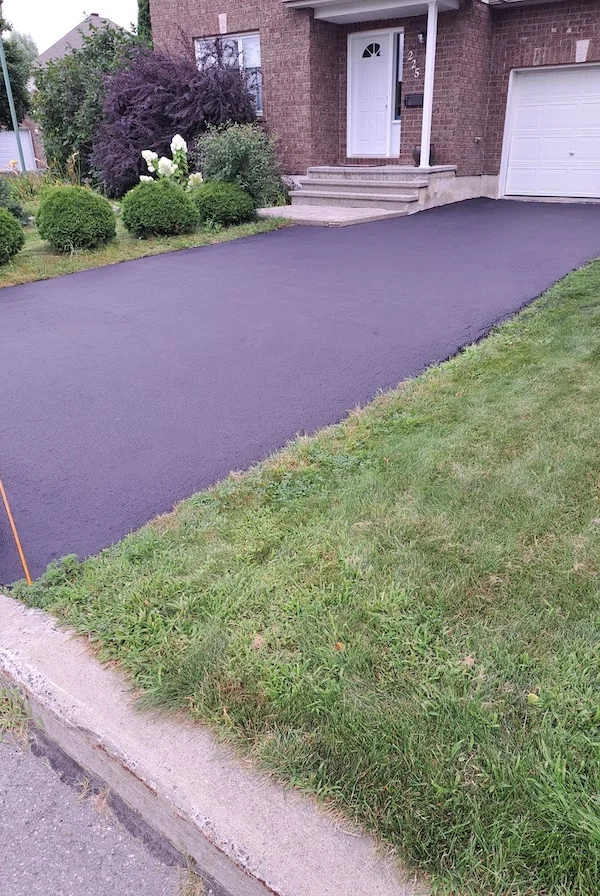
We offer paving services in Laval, Quebec, specializing in asphalt for residential and commercial projects. info@asphaltesolution.com

Copyright © 2024
Propulsé par : Earnanswers
Contactez-nous
Pavaging Laval Asphalt Laval Earnanswers
If you're looking for quality paving near you, our team of Laval paving experts guarantees long-lasting results. We also serve the Montreal region and surrounding areas. Contact us for a quick quote on your asphalt needs in Laval and nearby locations.